
Lamar County Civil Docket Searches
Superior Court civil cases live in PeachCourt. The account-based system is listed for Lamar in the Georgia Courts E-Access directory. A court-issued case number is the best search key. A party name works too. From the results, click "View Case Docket" to open the timeline. The same provider also handles mandatory civil e-filing for Lamar Superior Court. Keep the two acts separate, though. Viewing a docket is one thing; filing into a case is another.
- Identify the court from the case type. Major civil, divorce, equity, and title-to-land cases point to Superior Court.
- For Superior Court, sign in or create a free PeachCourt account, then choose Lamar County and the proper court.
- Enter the exact case number or a party name. Compare the case style, court, and filing date before opening a result.
- Read entries in date order, pairing motions with later orders and settings with any continuance or reset.
- Ask the responsible clerk for inspection, older files, plain copies, or a certified judgment when the portal is not enough.
The Clerk of Superior/Juvenile Court, Caleb Tyson, keeps Superior civil records. The office sits at 326 Thomaston Street in Barnesville. It answers at 770-358-5145, open 8:00 a.m. to 5:00 p.m. Monday through Friday. The county publishes no separate mailing address for civil requests. So call ahead to confirm the current submission and copy procedure before you mail anything.
PeachCourt and Lamar Civil Filings
Georgia Courts makes PeachCourt the required route for civil e-filing in Lamar Superior Court. One login covers several jobs. The same system can run a search. It can open a docket view, link to a document, and accept a new filing. Signing up costs nothing. Pulling a document may depend on your role in the case and on current vendor charges. PeachCourt's own help pages draw a line here. An eFiler of Record gets complimentary access to e-filed civil documents. Manual and criminal documents follow different rules.
For many questions, a docket line alone tells you what happened. When the exact wording matters, though, open the pleading or the signed order. That is the authoritative text. If a link is missing or carries a charge, the Clerk's counter is still a separate way in. A vendor screen is never a certified copy.
Note: Check current charges at the point of access. Vendor document fees are not Lamar County clerk copy fees.
Civil Dockets: What They Show
Read a Lamar County civil docket as a timeline. Start with the case header, the initiating pleading, and the filing date. Then confirm service occurred and check whether an answer came in. Match each motion to its order. Match each setting to any later reset. There is no published Lamar civil case-number format. So use the exact court-issued civil case number rather than assuming a prefix.
| Header | Case number, style, court, judge, filing date, and status when publicly displayed. |
|---|---|
| Parties | Plaintiff or petitioner, defendant or respondent, and attorneys of record. |
| Opening papers | Complaint or petition, citation, service, and answer entries. |
| Case activity | Motions, notices, discovery or management entries, settings, and signed orders. |
| Result | Judgment, default, dismissal, nonsuit, settlement notation, transfer, or appeal. |
| Later activity | Garnishment, abstract or lien, writ, satisfaction, costs, or post-judgment filings. |
Treat the field inventory as a reading map. PeachCourt does not promise that every field appears. No Lamar-issued field legend exists, so rely on the entries the docket itself gives you.
Lamar's $15,000 Magistrate Line
For civil claims up to $15,000, Lamar Magistrate Court is the limited route. Its county page also lists dispossessory actions, garnishments, personal-property foreclosures, and abandoned vehicles. Anything above that ceiling may belong in Superior Court instead. That guidance comes from the county's own Magistrate page. Check the amount before you choose where to file.
Magistrate Court sits at 121 Roberta Drive, reachable at 770-358-5154. Magistrate Clerk Sandy Studdle is named on the county page. There is no anonymous public docket search for this court. Phone and in-person contact are the practical channels. Have the parties, approximate filing year, case type, and case number if known. Ask about inspection, copy procedure, and any archive location. A Superior Court PeachCourt search will not include the Magistrate docket.
What Cases Fill the Civil Docket
Civil jurisdiction in Lamar County splits by subject and amount. That split matters. A valid name search in the wrong court returns nothing. Superior Court is the primary venue for major civil cases, divorce, equity, and title-to-land matters. Magistrate Court handles its limited civil list. Probate Court keeps wills, estates, guardianships, and related proceedings. It is not Lamar's general small-claims court.
| Civil matter | Likely Lamar court | Verified first route |
|---|---|---|
| Major civil, divorce, equity, title to land | Superior Court | PeachCourt or Superior Clerk |
| Claim of $15,000 or less | Magistrate Court | 770-358-5154 or 121 Roberta Drive |
| Dispossessory or garnishment | Magistrate Court | Magistrate clerk |
| Estate, will, or guardianship | Probate Court | 770-358-5155 or Probate office |
Municipal courts mainly handle ordinance and traffic cases, so don't assume they hold Superior civil suits. Find the right office before you search. That habit saves time and keeps requests out of the wrong drawer.
A Motion Is Not a Lamar Order
Here is the most common civil docket trap. It is reading a filed request as the judge's decision. An entry that says “Motion filed” means one party submitted a motion. That is all it means. The motion may be granted or denied later. So move forward through the docket until a signed order or a clear disposition entry appears. Then pull the document itself when the precise terms matter.
Settlements and dismissals work the same way. A settlement notation, a dismissal without prejudice, a dismissal with prejudice, a nonsuit, a default judgment, and a consent judgment each carry different effects. Lamar County publishes no official civil abbreviation list. So rely on the full entry and the signed paper rather than shorthand guesses.
Reading rule: Pair each motion with its later order, each setting with later reset entries, and each judgment notation with the signed judgment.
Hearings on the Civil Docket
A civil setting in Lamar County might be a hearing or a pretrial conference. It could be docket call, a trial, or a case-management event. The Superior Court posts no Lamar-specific public calendar page and no daily PDF. So trust three things. These are the PeachCourt setting, the paper notice or signed order, and what the clerk confirms by phone. For Magistrate matters, call 770-358-5154. Ask about the civil return date, the dispossessory date, or a garnishment hearing.
Dates also move. A continuance or reset can replace an earlier setting. So read past the first entry and look for a signed scheduling order. Remember what a calendar does not tell you. A setting is not a judgment. A listed date is not proof the event ever happened. The fuller Lamar County court schedule walks through how to confirm a changed date.
Note: Keep the case number handy. Jot down each clerk contact too. But treat the court's docket or order as the official record.
GSCCCA Dockets Are Different Records
The Clerk's page links to GSCCCA and labels it a statewide search. That label can mislead a civil case lookup. The GSCCCA search systems actually cover real property, liens, plats, UCC filings, and related clerk records. A book and page number or a lien search field is not a Superior civil case number. And GSCCCA will not replace PeachCourt for a Lamar County civil lawsuit docket. The official search categories on that page show the line between the two systems.
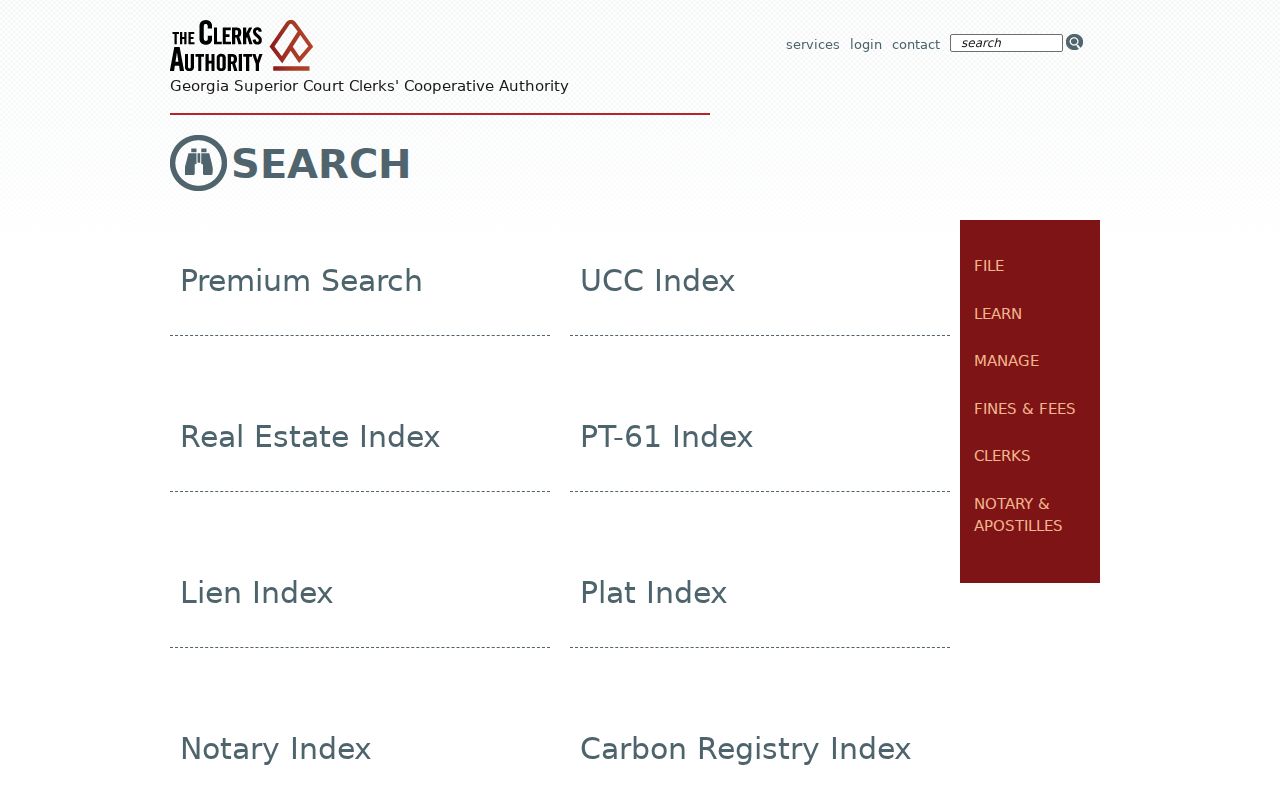
A land or lien result, in other words, is not the procedural history of a Lamar County civil case. The GSCCCA lien index makes the point even sharper. It uses docket-like terms for a record that serves a different purpose.
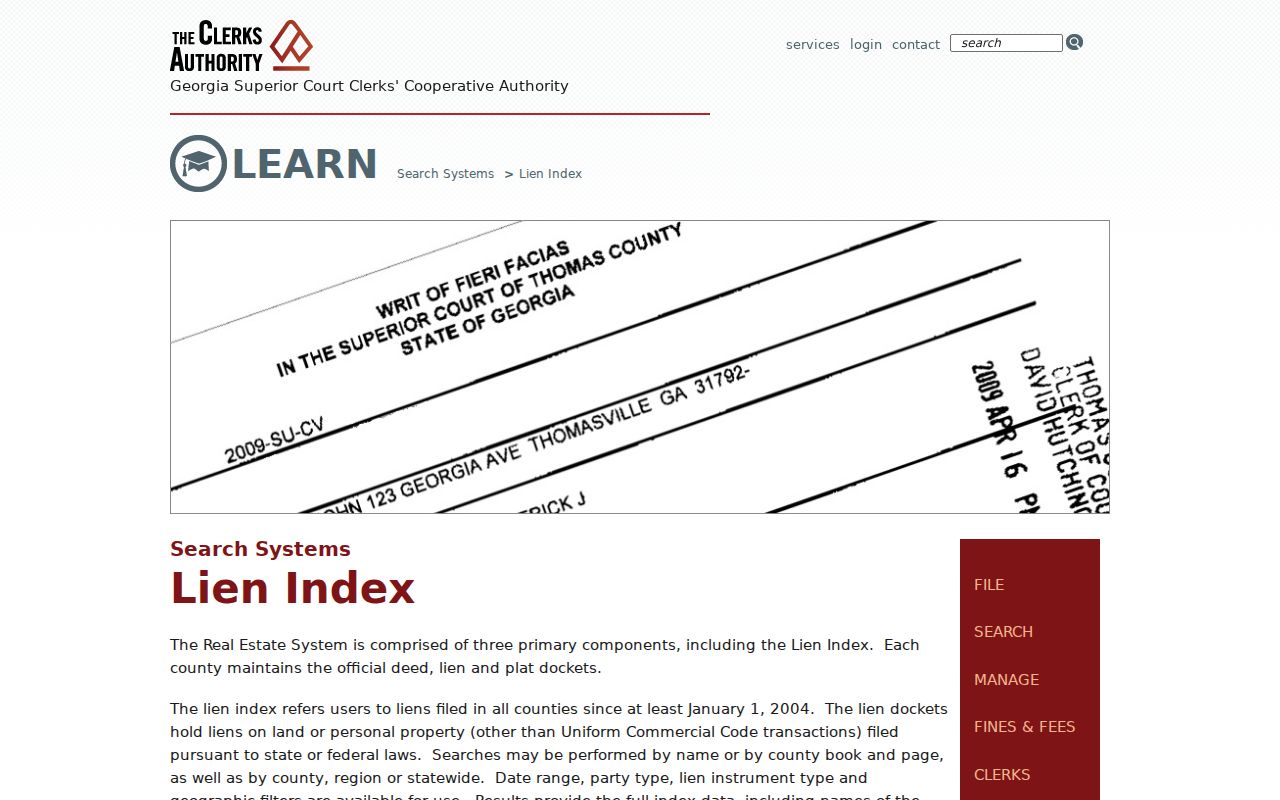
Use GSCCCA for recorded documents. Use PeachCourt or the court clerk for the motions, hearings, orders, and judgments in the civil suit itself.
Who Can See Civil Dockets
Most Lamar County civil docket entries are public. Access can still be limited by a sealing order, protected identifiers, juvenile confidentiality, or the nature of a family-related filing. Uniform Superior Court Rule 21 governs access and sealing. Rule 21.6 covers protected identifiers. Even a public docket line does not guarantee unrestricted electronic access to every document image behind it.
Access rules:
Uniform Superior Court Rule 21 supplies the access, limitation, sealing, and protected-identifier framework for Superior Court records.
Uniform Magistrate Court Rule 20 addresses sensitive-information minimization and responsibility for public filings.
When a record is not online, go to the clerk counter, call, or send a narrowly written request to the right office. Lamar's general Open Records officer handles county administrative records, and that route is not a blanket demand on every court clerk. Older court material may take an archive check as well.
From Lamar Trial Court to Appeal
A Lamar civil case can leave the trial court. It may land on a separate appellate docket. The Court of Appeals of Georgia runs an official case-status search. It covers appellate matters from January 2003 onward. Search there by appellate docket number, trial case number, or case style. The Supreme Court of Georgia keeps its own docket search. It holds exclusive jurisdiction in certain categories. Neither screen replaces the full Lamar trial-court history. The official Supreme Court of Georgia docket search shows that separate appellate layer.
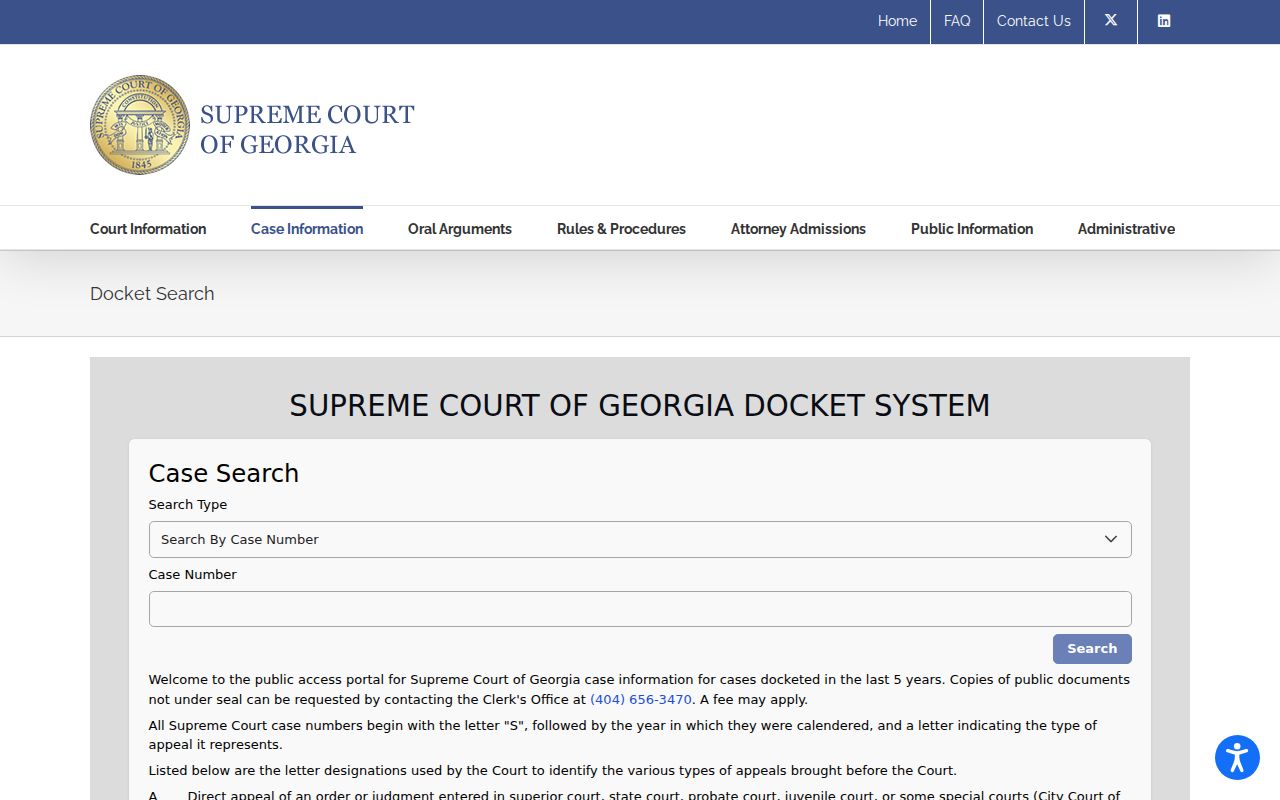
The trial docket may note a notice of appeal. The appellate court then assigns and keeps its own case record. Track a matter that has left Lamar County Superior Court by searching both offices.