
Lamar County Court Record Requests
Your first clue is the court name printed on the notice, pleading, or docket sheet. That tells you where the file lives. The Clerk of Superior/Juvenile Court holds the Lamar Superior Court civil and criminal files. Juvenile Court records sit there too. Estates, guardianships, and any traffic or misdemeanor cases routed to Probate Court sit with that office instead. Magistrate Court keeps its own civil, dispossessory, garnishment, and warrant papers. City cases stay with the municipal court.
Whatever channel you use, be specific. Name the parties and the case number if you have it. Add the document type and the rough date of filing. Say whether you want to inspect the file. State if a plain copy will do, or if you need a certified copy. PeachCourt, the clerk's counter, a phone call, a mailed or emailed request where permitted, and archive research for older files are the documented routes.
- Identify the court and case as precisely as possible.
- Check the account-based portal for a docket and images.
- Contact the clerk for documents the portal omits.
- State whether each copy must be plain or certified.
- Confirm cost, payment, delivery, and turnaround before paying.
Three Lamar Court Record Products
A Lamar County docket, a filed document, and a certified copy are three different things. The docket is just an index in chronological order. It can list a complaint, a motion, a hearing, an order, a judgment, and the final entry. None of those papers are shown to you. A filed document is the real item. It is the pleading, the return, an exhibit, or a signed order itself. A certified copy adds the clerk's authentication. That matters when a court record has to serve some formal use.
Docket line or signed order? A line saying an order was entered is not the order. Ask for the judge-signed document when its exact terms matter.
PeachCourt may show a Lamar County docket online, while an image of a filing usually takes a charge or a request to the clerk. What a vendor displays is not a clerk-certified judgment. The office that owns the court record is still the place to get an official copy.
Kinds of Court Records
What you can find depends on which court holds the case. Superior Court handles major civil matters and felonies. Magistrate Court takes claims up to its published limit. The court also takes dispossessory matters, garnishment papers, and certain warrant issues. Probate Court keeps wills, estates, and guardianships. Any traffic or misdemeanor cases assigned to it sit there too. City traffic and ordinance files sit in the municipal courts. Juvenile records are harder to reach than the ordinary Superior Court docket.
- Case dockets and chronological entry sheets
- Complaints, petitions, answers, motions, and returns
- Judgments, sentencing papers, and signed orders
- Probate petitions, inventories, and estate orders when public
- Magistrate civil, dispossessory, and garnishment papers
- Traffic citations, pleas, settings, and dispositions
Transcripts are a separate category of court record. The clerk may enter one on the docket, but a court reporter or a reporting service is the one who actually makes it. Lamar County has not posted a reporter contact or current transcript rates. Ask the clerk who recorded your proceeding.
Split Lamar Court Record Custodians
Lamar County splits its record keeping across several offices. The county administrative clerk and the court clerk do different jobs. The Open Records office under the Board of Commissioners handles commissioner records only. It is not a drop-off point for litigation files. A Superior judgment sits with the Superior and Juvenile Clerk. A Probate estate stays in Probate. Magistrate or municipal files remain with those courts.
Clerk of Superior/Juvenile Court
326 Thomaston Street
Barnesville, GA 30204
770-358-5145
Before you travel, call the office that should hold the file. Confirm custody. Ask how copies are made. Check whether an older case record is stored on site. An address from an outdated county form can mislead you. Trust the current custodian shown on the official county page instead.
Court Records: What They Contain
A public court file blends identifying details with a running list of filed events. What it holds varies by court and by case type. A docket entry may point you to an order yet leave out its image or a protected document.
| Case Number | The court's own identifier as printed on the record. |
|---|---|
| Parties | Names and roles such as plaintiff, defendant, or petitioner. |
| Filings | Entries for pleadings, returns, motions, and notices. |
| Settings | Hearings, docket calls, trials, or status events. |
| Orders | Ruling entries; request the signed paper for its terms. |
| Disposition | The result, read together with the final order. |
No single legend explains every Lamar County abbreviation used in Georgia courts. Terms like “Filed,” “served,” “continued,” and “disposed” fill the court docket. Each one marks a different event. Remember that a motion is only a request. It becomes a ruling only when the judge enters an order.
Lamar PeachCourt Record Access
Lamar Superior Court records live on PeachCourt, and the Georgia E-Access directory is the doorway. You will need an account, but registration costs nothing. Once signed in, you pick the county and court. Then search by case number or party name and open the docket view. No free anonymous statewide trial-court search exists in Georgia to replace this route.
Seeing the docket is one thing. Pulling documents is another. PeachCourt help draws a line. It separates what an eFiler of Record can reach from manual or criminal documents that may carry charges. Those vendor fees belong to the vendor, not to the Lamar clerk. If an image is missing or will not work for official use, call the clerk. Point to the exact docket entry.
One more trap deserves a word. The clerk page labels a GSCCCA link as a statewide search. It indexes deeds, liens, plats, UCC filings, and similar instruments. Superior Court civil and criminal cases are not in there. A GSCCCA book and page is not a court case number either.
Copy Fees and Certification
No full Lamar clerk fee schedule covers plain docket sheets, certified judgments, or exemplified copies. Ask the clerk who holds the file. The county's Open Records page does set an ordinary-page rate. It adds search costs once free time runs out. Those are administrative rates, though. Confirm before treating them as the price of a court record.
| Record or Service | Published Amount | Route |
|---|---|---|
| Administrative regular page | $0.10 per page | County Open Records |
| Initial administrative search | First 15 minutes free | County Open Records |
| Lamar plain court copy | Not published | Responsible clerk |
| Lamar certified court copy | Not published | Responsible clerk |
| Federal court copy | $0.50 per page | Middle District |
A certified copy proves the clerk's copy is authentic. It is not the signed order itself. Name the judgment, disposition, or pleading you need, and wait for a quote before sending money.
Older Lamar Court Record Routes
Electronic access only reaches so far back in Lamar County. Minutes from 2018 flag real gaps. Civil e-filing was mandatory, storage was a worry, and the public still needed a computer and scanner to work with files. Older court records may sit in paper, microfilm, or off-site storage. The current electronic workflow may not reach them.
One historical lead is the Old Jail Museum and Archives. Its holdings cover courthouse and criminal records, marriages, tax digests, and microfilm. For certified copies, though, the clerk still comes first. Start there. Then ask whether a file was moved, or whether the archive is the better stop for your search. History matters here too. Lamar County dates to 1920. The courthouse itself dates to 1931. Earlier research may run through predecessor counties and transferred files. When you ask, describe the person, the event, the court, and the date range rather than requesting every possible record.
Access Rules for Lamar Court Records
Georgia presumes openness but draws lawful lines. The state's open records statute, O.C.G.A. § 50-18-70 et seq., governs agency records while allowing exemptions, and Uniform Superior Court Rule 21 sets the rules for public court files and judicial limits. Rule 21.6 protects certain identifiers, and Uniform Magistrate Court Rule 20 keeps identifiers in filed papers to a minimum.
Key boundaries: A judge may seal or limit a record through the required process. Juvenile files are not ordinary public Superior files. Full account, tax, and Social Security numbers should not appear in a public copy. Some protective-order, guardianship, or treatment material may be restricted.
What does a missing result tell you? Almost nothing. A case can sit in another court, live in an archive, be sealed, be juvenile, carry a different name, or simply lack an online index, so an empty Lamar County docket search is never proof the case does not exist. The clerk is the one to ask. Keep in mind that a sealing order stands even under the Georgia Open Records Act.
Lamar Federal Court Records
Federal cases in Lamar County are heard by the U.S. District Court for the Middle District of Georgia. It sits in its Macon Division. Those federal dockets run on PACER and CM/ECF rather than PeachCourt. The two systems do not overlap. A state filing never shows up in PACER. A federal case never shows up in the Lamar Superior docket search.
According to the Middle District records page, many records from post-2004 are available through PACER. The court sets separate charges for court copies, staff searches, and archive retrieval. All of them are federal fees rather than county ones. An appeal of a federal decision goes to the Eleventh Circuit. For a free option, CourtListener and RECAP offer contributed federal dockets and documents. That is the route that page describes.
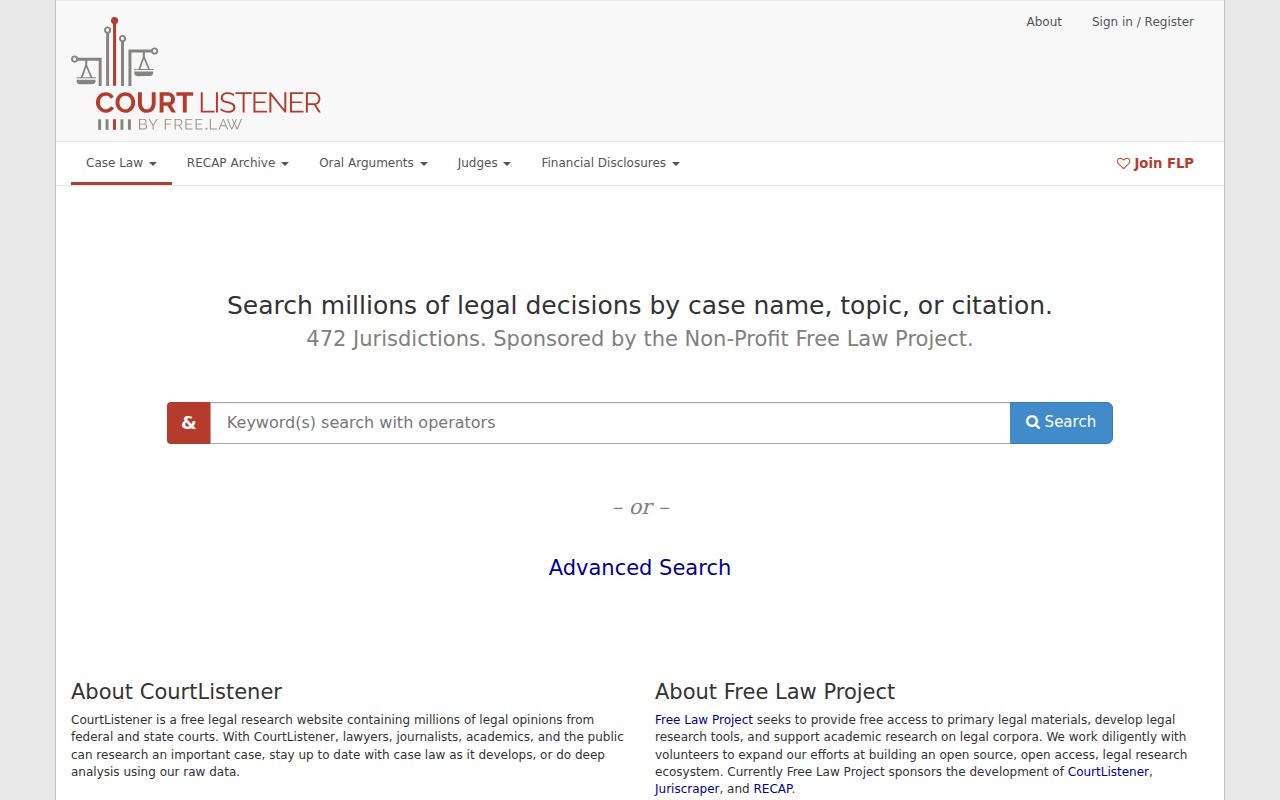
Coverage there is far from complete, so confirm a case's status and order formal copies through PACER or the federal clerk.
Lamar Certified Record Checklist
When you request a formal Lamar County court record, give the clerk more than a party name. Add the court, the case number if you know it, the document title, roughly when it was filed, and whether you need a plain or certified copy. Asking for a judgment? Request the signed judgment itself, not just its docket entry. For a disposition, name the final order or sentencing document whose terms actually matter.
Call the clerk first. Confirm which office holds the record and the current price before you send payment. The clerk can also tell you whether an item exists only on paper. The clerk can say whether part of it is restricted, and whether a redacted public copy is available. Say whether you want pickup or mail. Ask if a written request is required. If the case predates online coverage, ask about paper files, microfilm, or archive retrieval. Probate, Magistrate, municipal, and Superior records stay separate. Remember, a request sent to the wrong clerk can stall the search even with the right case name.